Coastal driving tips — Italy
Scenic routes, safety pointers and local rules from PAOLO MARI. Drive the coast with confidence.
Why coastal driving is different
Coastal roads in Italy reward patience and attention: narrow lanes, sudden weather shifts, tourist traffic and spectacular viewpoints. This section covers mindset, vehicle prep and timing to make your drive safer and more enjoyable.
- Expect one-lane stretches and sharp bends.
- Watch for walkers, cyclists and scooters.
- Plan stops for views and local villages.
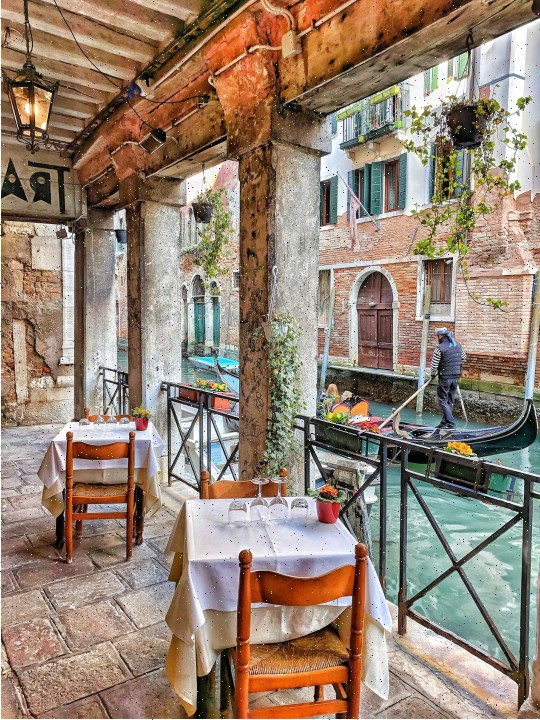
Pre-drive checklist
Quick items to check before you start a coastal route.
| Item | Why it matters |
|---|---|
| Fluids & tyres | Heat and inclines demand correct pressure and oil levels. |
| Battery & lights | Remote stretches and tunnels need reliable lighting and battery. |
| Tool kit & phone charger | Small repairs and navigation require basic tools and power. |
| Weather check | Coast fog and sudden rain affect grip and visibility. |
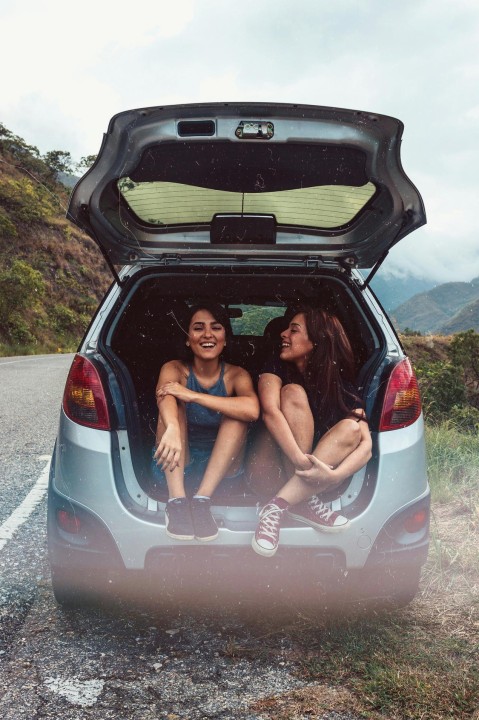
Driving techniques for coastal roads
Practical driving habits to reduce stress and incidents.

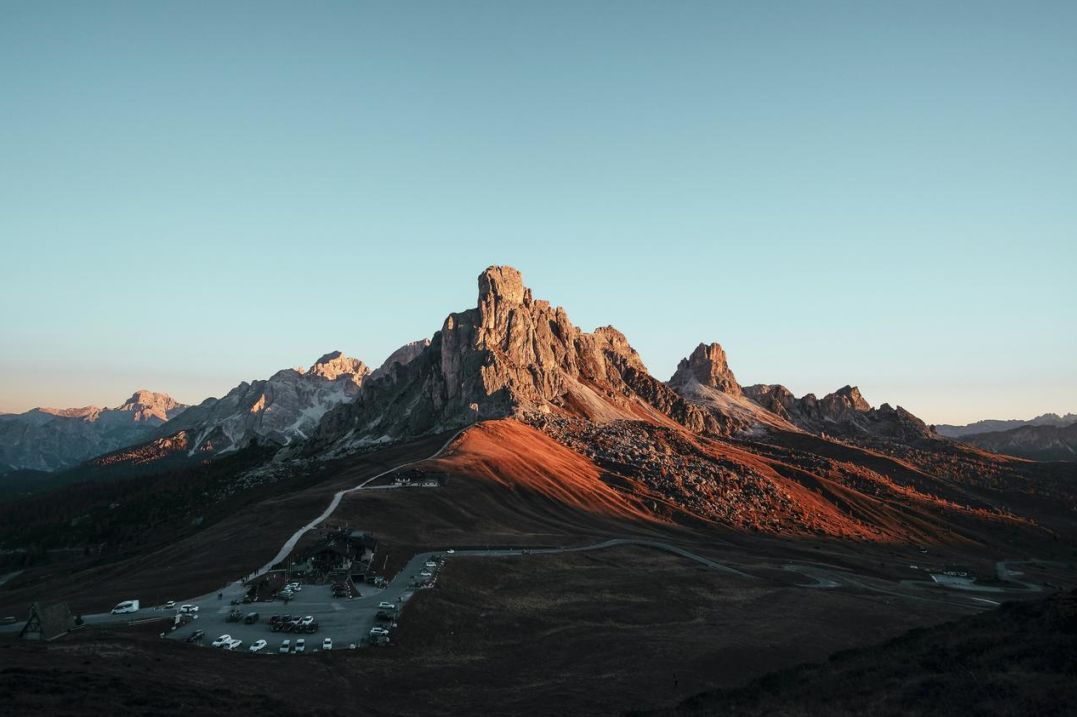
Recommended scenic stops
Hand-picked viewpoints and small towns along the coast.
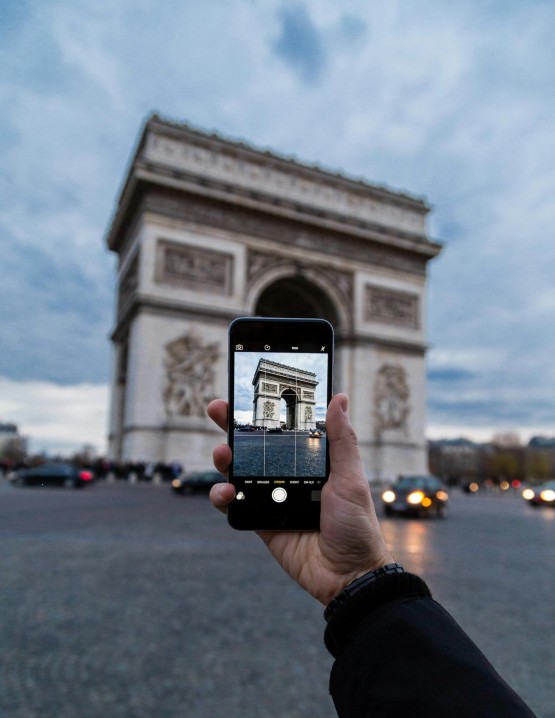


About PAOLO MARI
I'm Paolo — I travel Italy by car and share practical route advice, safety tips and photo-ready stops. My guides focus on local rules and realistic expectations for drivers exploring coastal regions.
FAQs
Local speed limits vary: built-up areas 50 km/h, secondary roads often 80-90 km/h, but coastal bends often reduce safe speed far below posted limits. Adapt to conditions.
Use designated bays; blue lines usually mean paid parking. Avoid stopping on narrow lanes — pull into official viewpoints or villages.
Tolls exist on some motorways; many towns have ZTL (limited traffic zones) — check local signs to avoid fines.
Quick resources
Plan a coastal route
Need a short clarification on a route or local rule? Reach out via phone or email — I usually reply within 48 hours.
Phone: + (39) 339 827-46-15
Email: liniad.org@gmail.com